
News
Celebrating Women In Construction Week: March 1-7, 2026 - Michele Cohen
March 5, 2026
DRE Industries is proud to celebrate Women in Construction Week (March 1-7, 2026) by highlighting the incredible leaders driving the construction industry forward. As a female-owned and operated organization, we take pride in recognizing the trailblazers shaping the future of the industry. We sat down with a few exceptional women whose expertise, leadership, and dedication are paving the way for the next generation:
- Amanda Porciello – Estimator, Garage Division | Maxim Group General Contracting
- Krystal Davey – President | Bothwell-Accurate Co.
- Lori O’Malley – Building Envelope Engineering Specialist | PCL
- Michele Cohen - Principal, Healthcare | B+H Architects Corp.
- Stacia Van Zetten – Chief Strategy Officer and Co-Founder | EXACT Technology
Join us in celebrating their accomplishments and the unstoppable energy of women in construction.
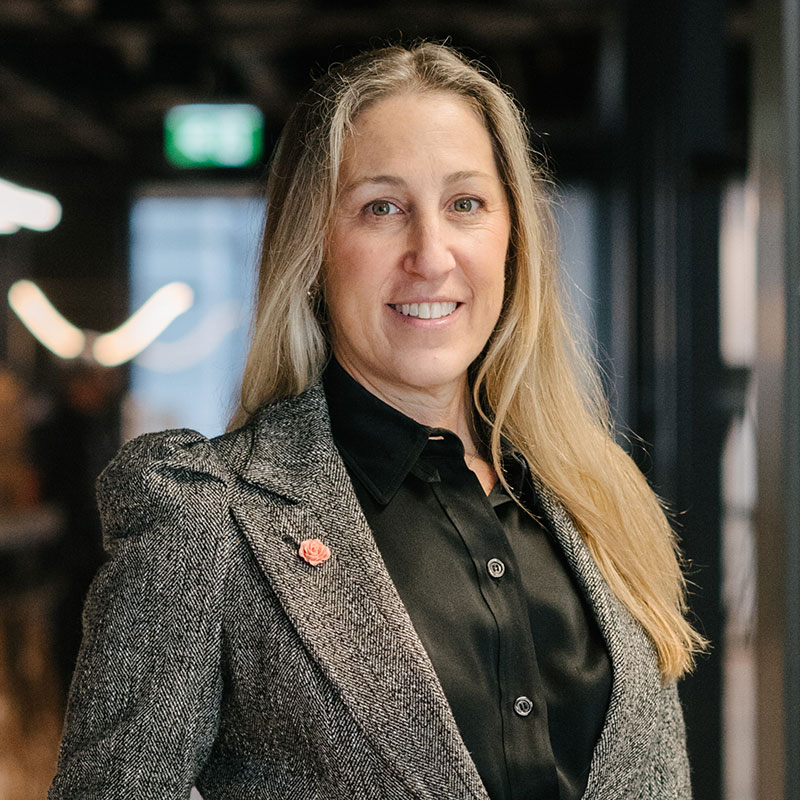
Michele Cohen, M.Arch, OAA, NSAA, LEED AP, EDAC, is an innovative and experienced architect and medical planner with over thirty years of experience delivering healthcare, laboratory, commercial, and public facility solutions across Canada and internationally. She is a recognized leader in the healthcare design and construction industry and is a frequent speaker at national and international conferences. Originally trained and based in Los Angeles, Michele spent 15 years working as a practicing architect before relocating to Toronto after completing her master’s degree. As a wife and mother, she brings a deeply personal perspective to her work, one that values resilience, collaboration, and the creation of environments that support people and communities. In addition to her project work, Michele is deeply committed to mentorship and advancing the next generation of professionals in the construction and healthcare design industry. She is passionate about leadership, inclusion, and using design excellence to strengthen public health and community resilience.
What inspired you to pursue a career in construction, and what has kept you motivated in the industry?
I was inspired to pursue a career in construction through my passion for designing hospitals, buildings that are deeply embedded in the urban fabric of every community. Hospitals are essential civic institutions that touch countless lives each day, from the thousands of healthcare professionals who work within them to the patients, families, and visitors who depend on their services. The scale of their impact and their importance to community well being drew me to this field early on.
Hospitals are far more than functional buildings. They are places of healing, hope, and care. Thoughtful hospital design can significantly influence patient outcomes by creating environments that reduce stress, support recovery, and promote dignity. At the same time, well designed hospitals can improve efficiency, safety, and job satisfaction for healthcare workers, factors that are critical to delivering high quality care.
What has continued to motivate me is the understanding that hospital design plays a vital role in public health, emergency preparedness, and community resilience. From everyday care to crisis response, these buildings must perform at the highest level. By integrating natural light, access to nature, intuitive layouts, and human centered design principles, architects can create hospitals that are not only highly functional but also uplifting and supportive for everyone who enters.
Ultimately, designing hospitals is about creating spaces that serve and sustain entire communities. It is a responsibility that extends well beyond architecture, and that sense of purpose is what continues to inspire and motivate me in the construction industry.
What challenges have you faced as a woman working in construction, and how have you overcome them?
I faced challenges accessing influential professional networks, which motivated me to become a licensed architect and actively engage in professional organizations. Along the way, I earned my EDAC, LEED, and CSA Z317 certifications to strengthen both my technical expertise and credibility. I also encountered gender biases that at times questioned my capabilities and leadership potential, requiring me to consistently demonstrate competence and resilience.
Despite these obstacles, I have persevered by advocating for myself and supporting others, using my experiences to foster more inclusive and equitable professional environments.
What is your proudest accomplishment in your career so far?
I am proud to have built my career as an architect in the healthcare design industry and to be recognized as a thought leader in hospital design. I take great pride in mentoring colleagues and contributing to their professional development. Most meaningfully, I am proud of the behavioral and mental health spaces I have completed in hospital projects and the positive impact these environments have had on patient care and staff well being.
What advice would you give to other women who are considering a career in construction?
My advice is to actively seek out good mentors and, when possible, become one for others.
Early in my career, after helping a young member of my team navigate a challenging situation, she asked me whether I had a female mentor when I was a young architect. Unfortunately, I had to admit that I did not. With fewer women in senior roles at the time, it was difficult to find role models or mentors who truly understood the unique challenges and experiences women face in this industry.
That reality reinforced for me how important mentorship is. Access to guidance, support, and honest conversations can make a significant difference, especially in a male dominated field like construction. While the challenges are real, being a woman in a leadership role also presents a powerful opportunity to support other women, to be visible, and to help create a more inclusive and diverse professional environment.
I have found it incredibly rewarding to mentor others and to know that my experiences can help someone else navigate their path with greater confidence. While being a woman in leadership within construction can be challenging, it is also an opportunity to drive meaningful change and inspire future generations.
How have you seen the industry evolve in terms of equity, diversity, and inclusion?
I am beginning to see a slow shift toward greater representation. In Canada today there are about 9,000 licensed architects and approximately 3,000 are women, just over 30 percent. This represents nearly a 20 percent increase from when I started my career in the 1990s, when there were 6,000 architects and only 690 were women.
Women continue to face challenges including unequal pay, slower rates of promotion, and limited return to work training following parental leave. Despite women’s university enrollment and graduation rates for architecture exceeding 50 percent for many years, this progress is still not fully reflected across the industry.
What skills or traits do you think are essential for success in the construction industry?
Success in the construction industry requires a combination of technical expertise, strong interpersonal skills, and a deep sense of responsibility for the people and communities impacted by the work.
Communication and collaboration are essential. Construction projects, particularly healthcare facilities, are complex and involve multidisciplinary teams including clinicians, administrators, engineers, contractors, and end users. The ability to listen, translate needs into workable solutions, and align diverse stakeholders around a shared vision is critical.
Resilience and adaptability are equally important. Construction environments are fast paced and often unpredictable, requiring professionals to respond thoughtfully to challenges and shifting priorities while maintaining focus on quality, safety, and outcomes.
A strong problem solving mindset is also key. Every project presents constraints, whether technical, regulatory, or operational. Success depends on thinking creatively while grounding decisions in evidence, best practices, and long term performance.
In healthcare construction specifically, empathy and human centered thinking are vital. Understanding how spaces affect patients, families, and healthcare workers ensures that design and construction decisions support healing, efficiency, and well being.
Finally, leadership and mentorship play a crucial role. The industry benefits when experienced professionals support others, share knowledge, and foster inclusive teams. Lifting others up strengthens both project outcomes and the future of the profession.
As part of our Women in Construction Week series, we’re recognizing the achievements and impact of women making waves in the industry. Let’s continue breaking barriers and building a more inclusive future.
Follow DRE Industries on LinkedIn to see more inspiring stories throughout the week.